


How Cultural Storytelling Benefits Preserve Cultural Heritage
- SaY India

- Jan 12
- 3 min read
Storytelling is more than just sharing tales. It is a living bridge connecting us to our past, our traditions, and our identity. When I think about the power of stories, I see them as vessels carrying the essence of culture across generations. They preserve the wisdom, values, and history of a people, especially in a country as diverse as India. But how exactly does storytelling preserve cultural heritage? Let’s explore this fascinating journey together.
The Role of Storytelling in Preserving Culture
Stories are the heartbeat of any culture. They capture the spirit of a community and pass it on in a way that facts alone cannot. When elders narrate folk tales, myths, or legends, they are not just entertaining; they are teaching. These stories often contain lessons about morality, social norms, and the environment. They help children and adults alike understand their roots and the world around them.
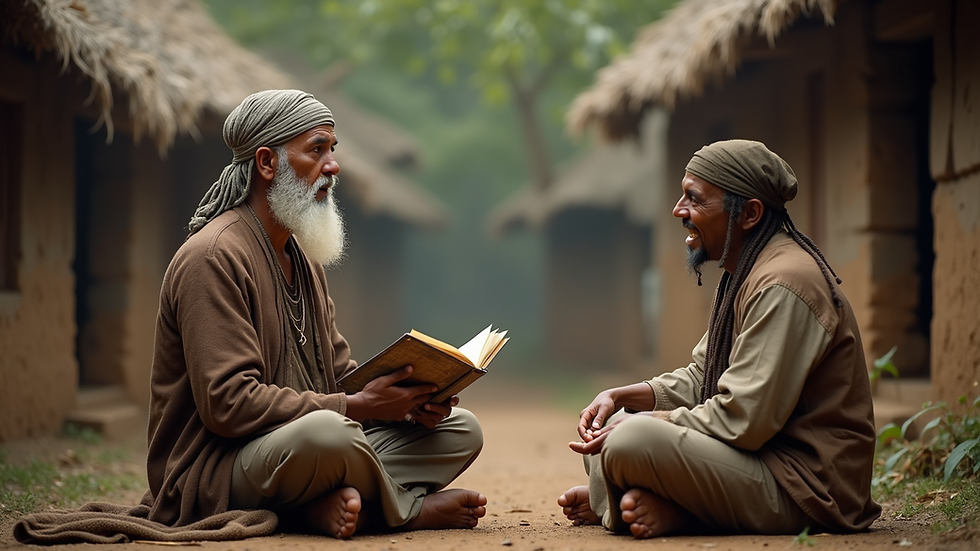
For example, in many Indian villages, stories about gods, heroes, and nature spirits are told during festivals or family gatherings. These narratives keep ancient languages alive and maintain a connection to ancestral lands. Without storytelling, much of this knowledge would fade away.

Cultural Storytelling Benefits for Language and Identity
One of the most significant cultural storytelling benefits is the preservation of indigenous languages. India is home to hundreds of languages and dialects, many of which are endangered. Storytelling in these native tongues helps keep them vibrant and relevant. When stories are told in the mother tongue, they resonate more deeply and foster a sense of pride and belonging.
Moreover, storytelling strengthens identity. It reminds us who we are and where we come from. It connects us to our ancestors and their experiences. This connection is vital for children growing up in a rapidly changing world. It gives them a foundation to stand on and a narrative to carry forward.
If you want to support this cause, platforms like Spin A Yarn India encourage people to share stories in Indian Indigenous languages. This initiative helps preserve cultural heritage by making storytelling accessible and participatory.
How Storytelling Shapes Community and Tradition
Storytelling is a communal activity. It brings people together, creating bonds and shared memories. When stories are told in groups, they become a collective experience that strengthens social ties. This is especially important in rural areas where oral traditions are the primary means of cultural transmission.
Traditions such as dance, music, and rituals often accompany storytelling. These elements enrich the narrative and make it more memorable. For instance, the epic tales of the Ramayana and Mahabharata are not only recited but also enacted in performances, keeping the stories alive in the hearts of millions.
By participating in storytelling, communities reaffirm their values and customs. They celebrate their uniqueness and ensure that their heritage is not lost to time.

Practical Ways to Engage with Cultural Storytelling
You might wonder, how can you get involved in preserving cultural heritage through storytelling? Here are some practical steps:
Listen and Learn - Spend time with elders and community storytellers. Record their stories if possible, with permission.
Share Stories - Tell stories to children and friends. Use simple language and vivid descriptions to make them engaging.
Use Technology - Platforms like Spin A Yarn India allow you to upload and share stories online, reaching a wider audience.
Celebrate Festivals - Participate in cultural events where storytelling is a key feature. This helps keep traditions alive.
Create Story Circles - Organize gatherings where people can share their stories in indigenous languages.
By taking these steps, you contribute to a living archive of cultural knowledge that benefits everyone.
The Future of Cultural Storytelling
As we move forward, storytelling will continue to be a vital tool for cultural preservation. Digital media offers new opportunities to document and share stories globally. However, the essence remains the same - stories must be told with heart and authenticity.
Encouraging participation from older generations is crucial. They hold the treasure trove of stories that define our heritage. By listening to them and valuing their narratives, we ensure that cultural storytelling benefits extend far into the future.
So, why not start today? Pick up a story from your family or community. Share it with someone new. In doing so, you become a guardian of culture, weaving the threads of the past into the fabric of tomorrow.
Storytelling is not just about the past; it is a living, breathing tradition that shapes our present and future. Let’s cherish it, nurture it, and pass it on.


Comments